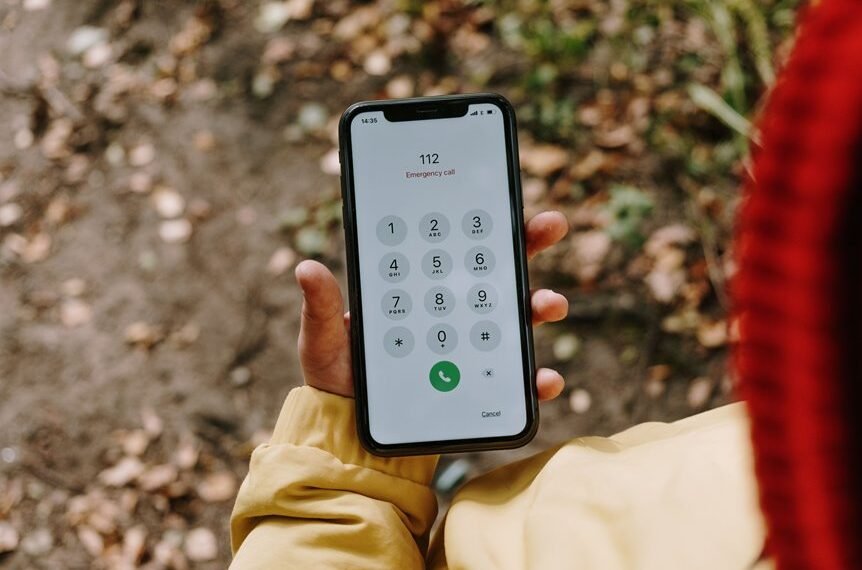
The number 415-481-3687 is often linked to scam scripts and aggressive cold-calling. Callers frequently press for urgency, offer dubious guarantees, and request personal data. Tactics vary, but pushy language and data requests are common red flags, and impersonation of legitimate institutions is possible. Verify unfamiliar calls, enable screening, and use independent verification tools. Stay vigilant, document trusted contacts, and protect privacy by limiting disclosure. A cautious approach invites further scrutiny of how such numbers operate.
What 415-481-3687 Typically Signals to Scammers
The 415-481-3687 number often signals suspicious activity by indicating a locale commonly associated with scam scripts and cold-calling campaigns. This pattern highlights scam indicators and caller red flags observable in behavioral cues, request phrasing, and urgency tactics.
A detached assessment notes that patterns vary, yet consistency in pressure and dubious guarantees remains a reliable warning for vigilant users seeking freedom from manipulation.
How to Verify Calls Without Giving Up Privacy
Verifying calls without compromising privacy requires a careful balance of information gathering and protective measures. The approach emphasizes user consent, minimal data exposure, and verifiable endpoints. Privacy safeguards rely on encrypted metadata, independent verification services, and transparent policies. Call verification should occur without revealing sensitive details, enabling trust while preserving autonomy and freedom from intrusive monitoring.
Red Flags That Point to a Phishing Attempt or Spoofing
Common sense indicators reveal phishing or spoofing attempts: unexpected calls, messages, or links that urge urgent action, request personal data, or imitate legitimate institutions.
Phishing indicators include deceptive greetings and mismatched URLs, while spoofing risks arise from caller ID manipulation.
The discussion emphasizes vigilance, verification, and skepticism, reflecting a stance that respects personal autonomy and privacy while reducing exposure to social engineering.
Practical Protections and Habits for Safer Caller Interaction
Practical protections and habits for safer caller interaction center on building a routine that reduces risk: verify unfamiliar numbers, enable call screening, and separate personal from sensitive activities. This approach emphasizes privacy practices and disciplined caller verification. Attendees evaluate risks, document trusted contacts, and use suspense-free verify steps. The aim is autonomy, not fear, balancing accessibility with deliberate caution to preserve personal boundaries and freedom.
Frequently Asked Questions
Can I Recover Costs After a Scam Call to 415-481-3687?
Yes, it depends on evidence and jurisdiction, but outcomes vary; scammers rarely reimburse, while legitimate institutions may assist. The guidance emphasizes scam prevention and cost recovery through reporting, documentation, and potential reimbursement claims where applicable.
Does Voicemail Provide Proof of Caller Identity?
Voicemail verification offers limited proof; voicemail alone cannot confirm caller identity. As a story, a voicemail is like footprints in sand: fragile, eroded by time and distance. Caller ID limits exist, so caution applies.
How Do I Report Spoofed Numbers to Authorities?
Officials advise reporting spoofed calls to local law enforcement or the appropriate telecom authority; follow the authorities process, provide call details, timestamps, and suspect numbers, and preserve evidence. This enables investigation and potential regulatory action against perpetrators.
Are There Legitimate Uses for Area Code 415-481-3687?
There are legitimate use cases for 415-481-3687, primarily corporate communication and customer outreach, reflecting business legitimacy. The line may support inbound support or outbound campaigns, provided compliance, consent, and transparent identification are maintained for user freedom.
What Jurisdictions Handle 415-481-3687 Fraud Cases?
The jurisdictions handling 415-481-3687 fraud cases include federal, state, and local authorities; jurisdiction scope varies by conduct and outcome. Legal accountability rests with appropriate prosecutorial bodies and regulatory agencies across affected regions.
Conclusion
In this tangled landscape, a single number, 415-481-3687, appears to mirror countless patterns of pressure and pretense, as if coincidence itself were testing vigilance. The same urgent scripts recur, yet similarity belies risk, prompting careful verification. When signals align with pushiness, impersonation, or requests for personal data, skepticism should rise. By pairing independent checks with prudent disclosure, users strengthen their defenses, turning an accident of coincidence into a shield for prudent, privacy-preserving interactions.